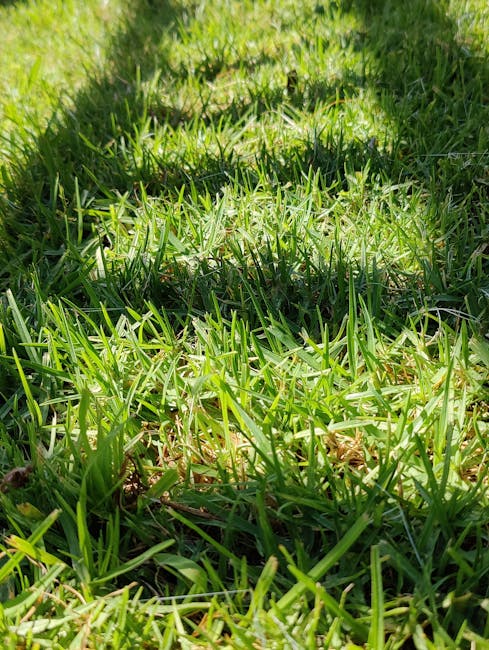
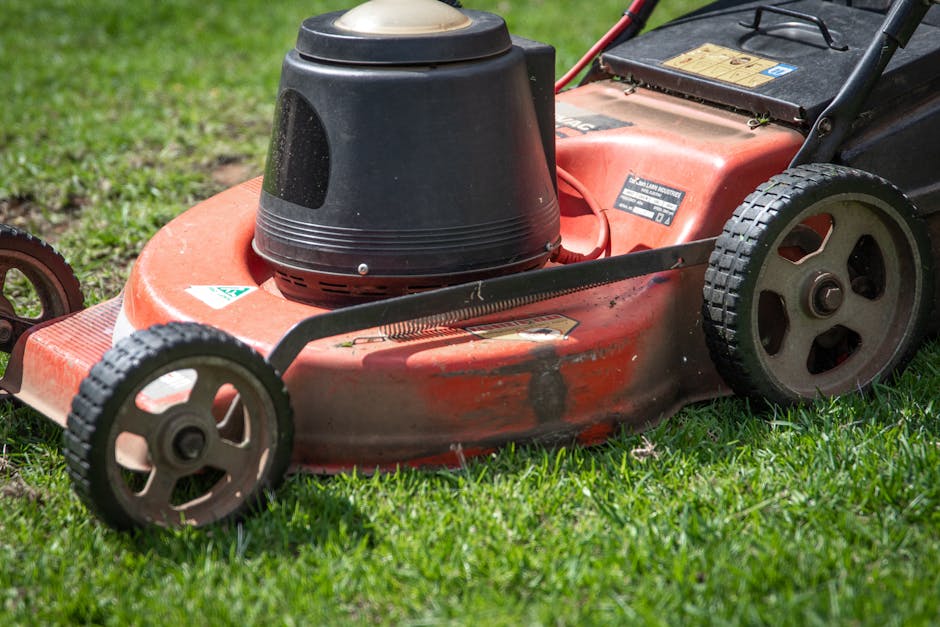
Bounds Green gardeners same day lawn repair N11: fast, practical help for lawns that need rescuing today
If your lawn has suddenly gone from "fairly fine" to patchy, muddy, or flattened, you probably do not want a lecture on turf theory. You want it sorted. That is exactly why Bounds Green gardeners same day lawn repair N11 matters: it gives local homeowners a realistic way to fix urgent lawn damage before it spreads, gets worse, or turns into a longer and costlier recovery job. A lawn can look tired for all sorts of reasons - heavy foot traffic, pet wear, dry spells, storm damage, shallow roots, fungal issues, or a weekend project that went a bit sideways. The good news? Many of those problems can be stabilised quickly with the right approach.
This guide explains how same-day lawn repair usually works, what to expect, when it makes sense, and how to avoid the classic mistakes that make a quick fix fail by Tuesday. If you are also planning wider garden work, it can help to look at professional lawn care support and ongoing garden maintenance so the repair actually lasts, not just looks decent for one week.
Truth be told, a lawn does not always need a full replacement. Sometimes it just needs prompt attention, a clean reset, and someone who knows where to cut back, where to reseed, and where to leave well alone. That is where local experience counts.
Table of Contents
- Why Bounds Green gardeners same day lawn repair N11 matters
- How same-day lawn repair works
- Key benefits and practical advantages
- Who this is for and when it makes sense
- Step-by-step guidance
- Expert tips for better results
- Common mistakes to avoid
- Tools, resources and recommendations
- Law, compliance, standards and best practice
- Options, methods, and comparison table
- Case study or real-world example
- Practical checklist
- Conclusion
- Frequently asked questions
Why Bounds Green gardeners same day lawn repair N11 matters
A damaged lawn is not just a cosmetic issue. In a typical Bounds Green garden, once turf starts thinning out, the weak spots tend to spread. Rain finds the low points, weeds move in, and compacted soil makes recovery slower. By the time a lawn looks visibly bad from the kitchen window, the problem is often already deeper than the surface suggests.
Same-day lawn repair matters because timing changes the outcome. If you patch bare soil quickly, tidy damaged edges, lift flattened grass, or stabilise a lawn after sudden stress, you reduce the chance of long-term scarring. That is especially useful after heavy rain, a builder's visit, family gatherings, dog damage, or a period of neglect. It is a bit like catching a leak early - easier to deal with when it is still manageable.
Local gardeners also understand the practical realities of N11 gardens: small lawns that need efficient use of space, shaded patches beside fences, narrow access, and the kind of soil that can vary from one side of a garden to the other. In that setting, speedy diagnosis matters more than grand promises.
If the damage is linked to poor drainage, overgrowth, or neighbouring structures, repair work may also need a broader garden fix. That is where services such as landscaping support or even fencing can help create conditions where the lawn stops suffering every time the weather turns.
How Bounds Green gardeners same day lawn repair N11 works
Same-day lawn repair is usually a responsive, practical service rather than a one-size-fits-all package. A gardener arrives, checks the condition of the turf, identifies the cause of the damage, and chooses the fastest repair method that still makes sense for the long term. Sometimes that means patching small areas. Sometimes it means scarifying, overseeding, topdressing, or levelling a few problem spots. Occasionally, it means advising against a rushed fix because the grass will not hold without a proper base.
In a same-day job, the priority is usually to stop the lawn looking worse, reduce further damage, and set up recovery. For example, if a pet has worn a path through the grass, the gardener may remove dead material, loosen compacted soil, add fresh topsoil, seed or lay a small turf patch, and water it in. If there is widespread thinning, the approach may shift toward surface preparation and strategic reseeding rather than immediate patch laying.
That is the nice thing about professional gardening work: it can adapt. The right answer depends on whether the lawn has been damaged by traffic, shade, poor drainage, pests, disease, or weather. And yes, sometimes the problem is simply that the lawn has been cut too low for too long. Classic.
If you want broader help across the garden, a visit that starts with turf repair often leads naturally into general gardening services or a more structured lawn mowing plan to keep the surface healthier after the repair.
Key benefits and practical advantages
Same-day lawn repair is not just about speed. Speed is useful, sure, but only if the repair is sensible. The real value comes from combining quick action with proper turf recovery methods.
- Less visible damage: Bare patches, torn turf, and muddy spots are dealt with before they become permanent eyesores.
- Lower risk of weed invasion: Open soil is an invitation. Repairing quickly keeps dandelions, moss, and opportunistic weeds from taking hold.
- Better root recovery: Freshly repaired areas settle faster when they are treated promptly and watered correctly.
- Safer, tidier outdoor space: Slippery mud and uneven ground are less of a nuisance, especially if children or pets use the garden.
- Improved kerb appeal: A well-kept front or rear lawn makes the whole property feel more cared for, even if the rest of the garden is still a work in progress.
- More efficient long-term spending: Catching the issue early often avoids deeper renovation later.
A good repair can also reveal hidden issues. For example, once a damaged patch is cleared, a gardener may spot that the soil is waterlogged, the border is starving the grass of light, or the edge of a patio is causing run-off. That is useful information, even if it is not always what you wanted to hear on the day.
For gardens with recurring weed pressure, pairing repair work with practical weed reduction tips and regular maintenance is often the difference between a patchy lawn and one that genuinely recovers.
Who this is for and when it makes sense
Same-day lawn repair is a strong option if your lawn damage is urgent, localised, or getting worse by the hour. That might sound dramatic, but in real gardens it is often the sensible call.
This service makes sense for:
- homeowners with bare patches after heavy use or garden work
- landlords preparing a property between tenancies
- families who need a safer play surface quickly
- pet owners dealing with worn paths or dug-up corners
- people hosting an event or viewing and wanting the lawn to look presentable
- anyone facing sudden weather damage after wind, rain, or a dry spell
It is also a good fit for people who know the lawn needs attention but do not have the tools, time, or appetite for a full weekend project. Not everyone wants to spend Saturday morning chasing a rake around the garden. Fair enough.
On the other hand, if the entire lawn is failing because of severe drainage problems, deep-rooted disease, or major soil collapse, same-day repair may only be a first step. In those cases, the gardener may recommend phased work, and that is usually the honest answer.
When garden conditions are part of the problem, it can help to look at related support such as restoring a neglected garden or, for harder-wearing spaces, weather-resistant garden tactics.
Step-by-step guidance
If you are wondering what actually happens during a same-day lawn repair visit, here is a practical version of the process.
- Initial inspection: The gardener checks the size of the damage, the turf type, soil condition, moisture level, and whether the problem is local or widespread.
- Cause assessment: They look for traffic wear, shade stress, compaction, dog damage, disease, poor mowing height, or drainage issues.
- Repair choice: The best method is selected - patching, reseeding, topdressing, levelling, or partial turf replacement.
- Site preparation: Dead grass, debris, stones, and weeds are removed so the new material can bond properly.
- Soil improvement: Fresh topsoil or compost may be added where needed to improve structure and encourage rooting.
- Repair installation: Seed, turf, or a repair mix is applied carefully. Small details matter more than people think.
- Watering and settling: The repaired area is watered in, then left with clear aftercare instructions.
- Follow-up plan: If required, the gardener recommends next steps such as feeding, mowing adjustments, or a check-back visit.
One thing to remember: the best repair is not always the most dramatic. Sometimes the neat, modest fix lasts better than an overconfident overhaul. Gardens can be funny like that. They reward restraint.
Expert tips for better results
In our experience, the lawns that recover best are the ones where the repair and the aftercare are treated as one job, not two separate ones. The repair is the start. The follow-through is what protects it.
- Match the fix to the problem. Replacing turf over compacted soil without improving the base is a short-term win and a long-term annoyance.
- Do not scalp the lawn. Cutting grass too short before or after repair makes young growth struggle.
- Water deeply but sensibly. Shallow splashes encourage weak roots. Overwatering, on the other hand, can soften the soil too much.
- Keep foot traffic off repaired areas. Even a few careless steps can ruin fresh seed or loosen a turf patch.
- Use the right season for the right task. Mild weather usually helps recovery, while extremes make things harder.
- Think about the cause, not just the patch. If a shady corner keeps failing, maybe it needs a ground-cover solution rather than repeated turf repairs.
A useful local-minded tip: if your garden is exposed to wind or dry spells, work on the edges and the surrounding planting as well. Shelter, soil health, and mowing habits all affect lawn resilience. You can get broader ideas from guidance on strong gales and from thoughtful planting choices such as beneficial ground covers around trouble spots.
And yes, sometimes the smallest change makes the biggest difference. Raise the mower blade a notch, improve the soil edge, and suddenly the lawn stops sulking. Funny old thing.
Common mistakes to avoid
Most failed lawn repairs are not mysterious. They are usually the result of one or two avoidable mistakes, often made in a rush. To be fair, nobody enjoys standing over a muddy patch with a bag of seed and hoping for the best.
- Repairing without identifying the cause: If the original issue remains, the patch will likely fail again.
- Ignoring drainage: Waterlogged lawns need more than surface treatment.
- Using too much seed or too much compost: More is not always better. It can smother new growth.
- Leaving old thatch in place: Dead material blocks contact between soil and new seed.
- Cutting or walking on the repair too early: Fresh work needs time to settle.
- Forgetting the surrounding garden: Overhanging branches, poor borders, and crowded edges can keep re-creating the same problem.
Another frequent issue is trying to force a full recovery in one day when the lawn needs staged work. A reputable gardener should be clear about that. Better an honest plan than a dazzling promise that fades in a week.
Tools, resources and recommendations
Good lawn repair is not about owning every gadget. Still, the right tools make the work cleaner, quicker, and less likely to go wrong. For homeowners who like to understand the process, here is a sensible toolkit.
| Tool or material | What it helps with | Why it matters |
|---|---|---|
| Garden rake | Removing dead grass and loosening the surface | Creates better contact for seed or turf |
| Sharp spade or edging tool | Cutting neat repair boundaries | Helps the patch blend in more naturally |
| Topsoil or screened compost | Improving poor or uneven soil | Supports rooting and levelling |
| Grass seed or turf patch | Replacing damaged lawn sections | Chosen according to shade, wear, and appearance |
| Watering can or hose with gentle flow | Settling the repair | Prevents seed displacement and drying out |
| Compact garden roller or board | Lightly firming the surface | Improves soil-to-seed contact without over-compacting |
For readers who want to build better habits around lawn care, a good next step is to combine repair with simple maintenance routines. Our guide to essential gardening tools is useful if you like keeping things practical, and structured lawn care support can help protect the repair through the seasons.
If your garden is part of a wider tidy-up, you may also find low-maintenance makeover ideas helpful, especially when the lawn repair is only one piece of the puzzle.
Law, compliance, standards and best practice
Lawn repair is not usually a heavily regulated activity, but reputable gardeners still work to clear standards. In the UK, sensible best practice includes safe tool use, proper handling of waste, care around electrical equipment, and respect for neighbouring properties. If workers are using powered tools, lifting turf, or handling heavy materials, good safety habits are not optional.
For customers, this means asking simple questions: Is the work insured? Are the garden surfaces protected? How will waste be removed? What happens if the repair reveals a drainage or boundary issue? These are not awkward questions. They are normal ones.
It is also sensible to expect honest advice when a quick repair is not the best option. A trustworthy gardener should explain whether the lawn can be repaired immediately, whether it needs a short recovery plan, or whether a larger project is more appropriate. That kind of clarity is part of good professional practice, even when there is no formal rulebook for every detail.
For more on trust and safeguards, you can review health and safety information, insurance and safety details, and the company's terms and conditions before booking. If you are comparing payment arrangements or want reassurance about process, payment and security is worth checking too.
Options, methods, and comparison table
Not every lawn problem needs the same repair. Here is a simple comparison that shows how different methods are usually used.
| Method | Best for | Strengths | Limitations |
|---|---|---|---|
| Spot patching | Small bare or torn areas | Fast, neat, cost-efficient | Won't solve wider soil problems |
| Overseeding | Thin but mostly intact lawns | Improves density and appearance | Needs patience and watering |
| Topdressing | Uneven surfaces and weak growth | Boosts soil health and levels minor dips | Can be messy if overapplied |
| Small turf replacement | Clear dead patches or worn paths | Immediate visual improvement | Needs proper base prep |
| Full lawn renovation | Severely degraded lawns | Best for long-term reset | Usually not a true same-day job |
The right choice depends on what the lawn is doing, not just how it looks at first glance. A flat, dull lawn may only need overseeding. A muddy track near a gate may need patching and edge control. A garden with chronic shade may need something more strategic, perhaps even a rethink of the surrounding planting. That is where local judgement matters.
Case study or real-world example
Here is a realistic example from a typical Bounds Green-style garden. A family notices that the lawn near the rear steps has become a thin, brown strip after months of children running to and from the shed, plus a rainy spell that turned the area soft. Nothing dramatic, but it looked tired, muddy, and a bit neglected by Sunday afternoon.
A same-day visit starts with a quick assessment. The gardener finds compacted soil and dead grass, but no major drainage failure. The fix is practical rather than flashy: the damaged area is lifted, loosened, lightly improved with topsoil, patched, and dressed cleanly so the edges blend. The surrounding lawn is trimmed higher than usual to reduce stress, and the homeowner is told to keep off the area for a short period and water lightly but consistently.
The important part? The gardener does not pretend the whole lawn will be perfect by evening. Instead, the immediate problem is solved, the visible mess is gone, and the patch has a real chance to settle. A week later, the area looks calm again instead of glaring back through the window like a warning sign. Not glamorous. Just effective.
That is often what people actually need from Bounds Green gardeners same day lawn repair N11: a quick, competent response that stabilises the space and gives the lawn a proper chance to recover.
Practical checklist
Before booking or carrying out a lawn repair, run through this quick checklist. It saves time, and it stops a rushed fix from turning into a repeat job.
- Identify the damaged area clearly
- Check whether the problem is localised or widespread
- Look for signs of compaction, shade, drainage trouble, or pet wear
- Decide whether you need patching, overseeding, topdressing, or turf replacement
- Make sure the surface is cleared of debris and dead material
- Keep the repaired zone free from foot traffic
- Plan watering and aftercare for at least the first few days
- Avoid mowing too soon or too short
- Review whether borders, trees, or fences are affecting light or moisture
- Arrange follow-up maintenance if the lawn has a history of recurring damage
If you are still weighing up whether to go ahead, a short conversation with a local gardener is usually enough to clarify the best route. Better that than guessing. Gardens deserve better than guesswork.
Get a free quote today and see how much you can save.
Conclusion
When a lawn needs attention fast, the best outcome usually comes from prompt action, a realistic repair method, and decent aftercare. That is why Bounds Green gardeners same day lawn repair N11 is such a useful service for local households: it deals with the immediate mess, but it also takes the underlying cause seriously. You get speed, yes, but also judgement.
Whether your lawn is suffering from wear, weather, poor soil, or a patch of bad luck, the right repair can bring it back to life without making a drama out of it. And sometimes that is exactly what a garden needs - calm, competent work done at the right time. A small fix today can save a much bigger headache later, and that is worth taking seriously.
If you are ready to turn a tired patch into something tidy and healthy again, speak to a local specialist and get the advice that fits your garden, not just the one in the brochure. A better lawn is closer than it looks.
Frequently Asked Questions
What does same-day lawn repair usually include?
It usually includes a quick inspection, removal of damaged material, surface preparation, and a repair method such as patching, overseeding, or a small turf replacement. The exact steps depend on the condition of the lawn.
Can a lawn really be repaired on the same day?
Yes, for many common issues it can. Small bare areas, worn paths, and localised damage are often repaired the same day. Larger or more structural problems may need phased work instead.
Is same-day lawn repair suitable for badly damaged lawns?
Sometimes, but not always. If the lawn is severely damaged across most of the garden, a same-day visit may be best used for assessment and stabilisation, with a fuller renovation planned afterwards.
How do I know whether I need patching or overseeding?
Patch small, bare, or torn areas. Overseed thin lawns that still have a reasonable amount of grass left. If in doubt, a gardener can assess the root cause and advise which option will hold up better.
Will the repaired lawn need special aftercare?
Yes. Fresh repairs need the area kept clear of foot traffic, watered appropriately, and left alone long enough for roots or seed to settle. Aftercare is a big part of whether the repair succeeds.
How soon can I mow after a lawn repair?
Usually not immediately. The repaired area should be given time to establish. Mowing too early can damage new growth or loosen a turf patch. A gardener should give clear timing advice based on the repair method.
What causes lawns to fail again after repair?
Common reasons include untreated compaction, poor drainage, too much shade, overwatering, low mowing, and repeating the same foot traffic over the repaired area. Fixing the cause matters as much as the patch itself.
Is same-day lawn repair expensive?
The cost depends on the size of the repair, the materials needed, and whether the job is a simple patch or something more involved. It is best to ask for a quote based on the actual garden rather than guessing.
Can pets use the garden after the repair?
Not straight away. Fresh repairs are vulnerable, especially to digging, running, and urine burn. It is usually best to keep pets away from the repaired section until it has settled properly.
Do I need a full lawn replacement if the grass is patchy?
Not necessarily. Many patchy lawns recover well with targeted repair, better maintenance, and improved growing conditions. A full replacement is usually only needed when the lawn has widespread failure or deeper structural issues.
What should I ask before booking a lawn repair service?
Ask what method they recommend, whether the issue is likely to return, how long the repair should take, what aftercare is needed, and whether the quote includes materials and waste removal. Clear answers are a good sign.
Can lawn repair be combined with other garden work?
Absolutely. It is often sensible to pair repair with mowing, edging, garden clearance, or longer-term maintenance, especially if the lawn damage is part of a wider garden problem.
How can I keep the lawn healthier after repair?
Raise mowing height a little, avoid overwatering, feed the lawn when appropriate, reduce compaction, and deal with shady or high-traffic areas before they become chronic problems. Small habits make a real difference over time.