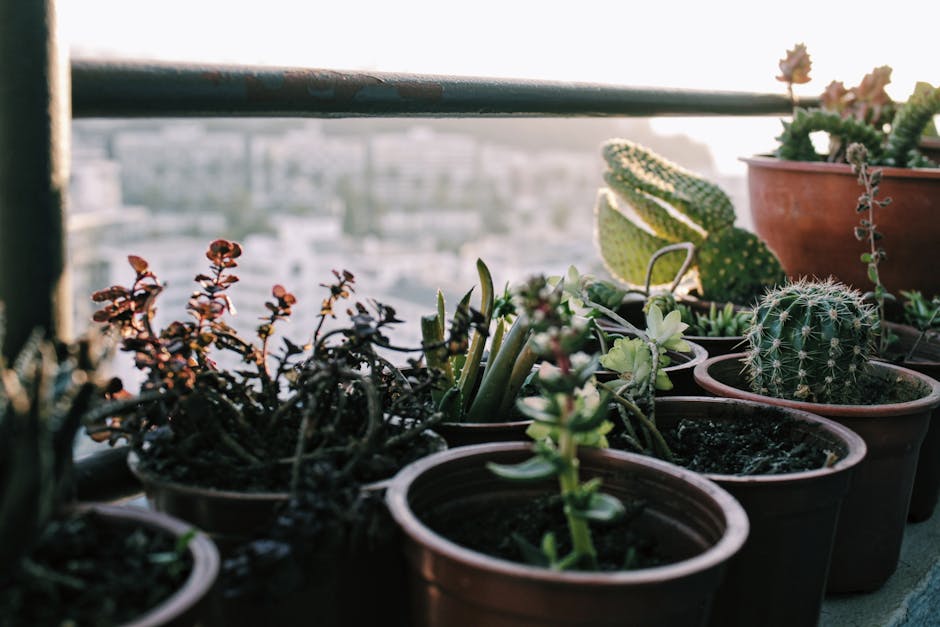
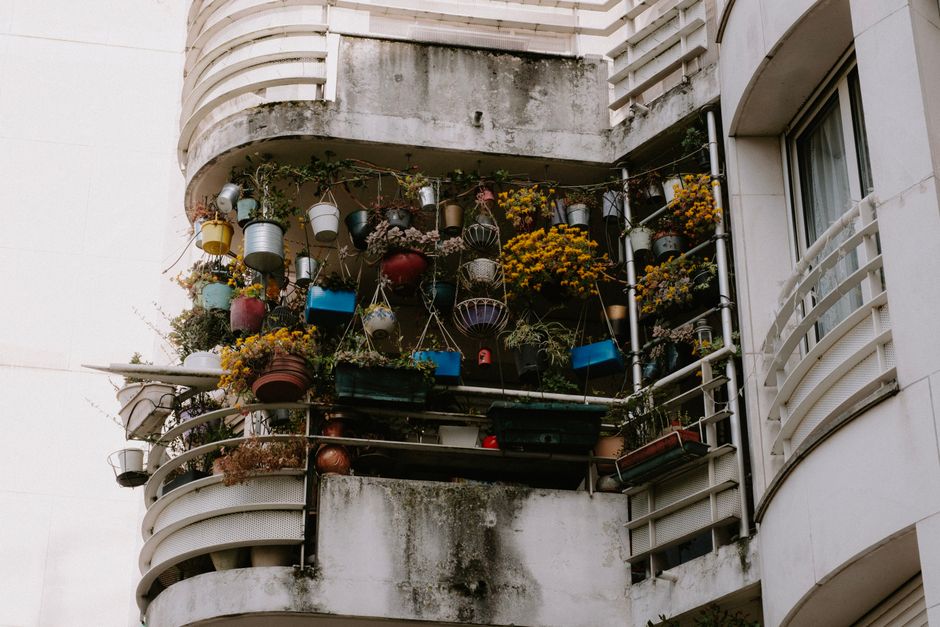
Bounds Green tube balcony garden guide by local gardeners
If you live near Bounds Green tube and look out at a balcony that feels a bit too bare, too windy, or just awkwardly small, you are not alone. A good balcony garden does not need a big footprint; it needs the right plan. This Bounds Green tube balcony garden guide by local gardeners is built for real London living: limited space, changing light, gusty corners, neighbours close by, and the usual "I'll get to it next weekend" chaos. Truth be told, that is exactly where balcony gardening can shine.
Local gardeners know the difference between a pretty idea and a setup that still looks decent after a wet week, a hot spell, and a bit of neglect. In this guide, we'll cover the practical side: what works, what doesn't, how to keep things tidy, and how to choose plants and materials that suit a balcony near the Tube, not a fantasy garden in a magazine.
You'll also find sensible links to deeper reading where they genuinely help, like container gardening ideas, vertical gardening techniques, and weather resilience tips for exposed spaces. And if you want help from a local team, you can also learn more from the about us page or explore gardening services for broader support.
Table of Contents
- Why this balcony garden guide matters
- How balcony gardening works in a tube-side setting
- Key benefits and practical advantages
- Who this is for and when it makes sense
- Step-by-step guidance
- Expert tips for better results
- Common mistakes to avoid
- Tools, resources and recommendations
- Law, compliance, standards and best practice
- Options, methods and comparison
- Case study or real-world example
- Practical checklist
- Conclusion
- Frequently asked questions
Why Bounds Green tube balcony garden guide by local gardeners Matters
Balcony gardening in North London is a different game from gardening at ground level. Near Bounds Green tube, you may be working with partial shade, reflected heat from brickwork, gusts funnelled between buildings, and a balcony that can feel narrower than it looks from inside. A lot of people buy plants first and think later. That usually ends with one sad pot, one collapsed trellis, and a compost bag in the corner for longer than anyone would like to admit.
A guide shaped by local gardeners matters because it accounts for the conditions you actually have. Local knowledge helps you choose plants that cope with wind, seasonal rain, and the stop-start rhythm of urban care. It also helps you avoid overcomplicating things. A balcony garden should feel like a small pleasure, not a second job.
There is another angle too: a well-designed balcony can improve privacy, soften noise, and create a calmer place to sit with a morning tea or an evening book. For many flats, the balcony becomes the only outdoor room. That changes how you use it. Suddenly, container choice, drainage, screening, and maintenance all matter more than whether a plant is fashionable.
If you are already thinking about structure and screening, you might find the guidance on evergreen privacy planting useful for translating larger-garden ideas into balcony-friendly containers. Likewise, if your space leans more decorative than lush, the ideas in zen garden ideas can help you keep the look uncluttered.
How Bounds Green tube balcony garden guide by local gardeners Works
The basic idea is simple: treat the balcony like a micro-garden with boundaries. You are not trying to recreate a full plot. You are designing a compact outdoor space that can survive in containers, cope with weather, and still look good from your kitchen window.
Local gardeners usually work in layers:
- Structure - the larger items like planters, rails, trellis, and seating.
- Planting - pots, baskets, herbs, climbers, and seasonal colour.
- Movement - space to water, prune, and actually step outside without tripping over everything.
- Maintenance - a routine that keeps the space tidy even when life is busy.
That layering matters because balconies are exposed and finite. A balcony can be sunny in the morning, shaded in the afternoon, and windy all day. Containers dry out faster than beds. Heavy pots are awkward. Overhanging plants can bother neighbours. The good news? Once you understand the rhythm, the whole thing becomes easier.
A practical balcony garden also often borrows ideas from other small-space disciplines. The methods used in container gardening are especially relevant, and the spacing logic from vertical gardening can help you get more out of a slim footprint.
Key Benefits and Practical Advantages
The most obvious benefit is simple: you get more use from the balcony. But there is a bit more to it than that. Done properly, a balcony garden can change the whole feel of a flat.
- Better atmosphere: plants soften hard lines, brick walls, and railings.
- Improved privacy: screening plants and trellis can reduce the feeling of being overlooked.
- Lower stress: even a few pots create a calmer, more lived-in space.
- Seasonal interest: you can refresh the display as the months change.
- Better biodiversity: small pollinator-friendly plants can still do real work.
- Flexible design: move pots around as your needs change.
There is also a practical everyday advantage that people underestimate: a well-planned balcony is easier to keep clean. If you know where pots live, where water drains, and how much weight the space can sensibly take, the maintenance side becomes far less annoying. And let's face it, no one wants to be schlepping muddy trays around every Saturday.
For readers trying to keep things low-fuss, the advice in low-maintenance makeover tips pairs nicely with a balcony setup. If weeds are one of your main irritations, see also practical weed-reduction tips; even containers can develop little weed problems if compost is reused carelessly.
Who This Is For and When It Makes Sense
This guide is useful if you are:
- renting a flat near Bounds Green tube and want a temporary but attractive setup
- owning a balcony that feels too exposed, empty, or overlooked
- new to gardening and want something small enough to manage
- trying to grow herbs, flowers, or climbers in limited space
- looking for a balcony refresh that does not require a full refurbishment
- interested in privacy, comfort, or just a nicer place to sit after work
It also makes sense if you have already tried a few plants and had mixed results. That is very normal. Some balconies look bright and cheerful on day one, then collapse into soggy leaves and a forgotten watering can by week three. Usually, the issue is not the gardener. It is the setup.
People with pets, children, or mobility concerns may need a more careful layout. So do anyone who wants to keep the space tidy with minimal effort. If your balcony is going to be used for sitting, reading, or a glass of something cold on a mild evening, it should be arranged so you can actually use it comfortably. Not just admire it through the glass.
If your balcony is part of a wider home refresh, you may also want to look at seating ideas for small outdoor spaces and herb garden inspiration.
Step-by-Step Guidance
Here is the approach local gardeners tend to recommend when building a balcony garden that lasts.
- Measure the space properly. Not roughly. Properly. Note rail height, door clearance, drainage points, and where furniture can sit without making the balcony feel cramped.
- Check the light. Morning sun, afternoon sun, full shade, and bright indirect light all lead to different plant choices.
- Think about wind exposure. A balcony can be deceptively breezy, especially if it catches a corridor of air between buildings.
- Choose a focal point. This might be a tall planter, a chair, a herb shelf, or a compact trellis.
- Use containers with drainage. Plants sitting in water are a common failure point. Good drainage is not optional.
- Pick a planting theme. Herbs, pollinators, foliage, scent, or calm greenery. A theme keeps the design coherent.
- Layer the planting. Tall at the back or edges, medium in the middle, trailing plants lower down.
- Add watering support. Self-watering pots, saucers, or a simple watering routine save you from dry pots in summer.
- Finish with a maintenance plan. Five minutes twice a week beats one heroic session every three weeks.
A small real-world example: a one-bedroom flat balcony with north-east light can still hold a lovely mix of ferns, shade-tolerant herbs, heuchera, and a compact climber if the containers are chosen well. You do not need a jungle. You need balance.
For more advanced planting or layout ideas, a local gardener might also recommend seasonal work such as ongoing garden maintenance if the balcony is part of a broader outdoor scheme, or lawn care and nearby services if the home includes shared ground-level green space as well.
Expert Tips for Better Results
After you have the basics in place, a few small decisions make a surprisingly big difference.
- Use lightweight materials where possible. Fibreglass, plastic, and slimline planters can reduce load.
- Group plants by water need. This makes watering faster and prevents overwatering the wrong pot.
- Choose foliage as well as flowers. Leaves carry the design through periods when blooms fade.
- Keep one area clear. A balcony with no spare inch feels cluttered very quickly.
- Use height intelligently. Vertical interest makes a small balcony feel richer without blocking movement.
- Protect tender plants. If frost or cold wind is likely, move delicate pots closer to shelter.
One thing local gardeners often say, and they are right, is that the best balcony gardens are edited. Not packed. Edited. A few strong pieces are better than a dozen random ones. The space will feel calmer, and frankly easier to keep alive.
If winter is a concern, read tips for tender plants in winter. If weather is generally the issue, weather-resistant garden tactics are a useful companion read.
Common Mistakes to Avoid
Most balcony garden problems are preventable. A few are classic.
- Overloading the balcony with too many heavy pots, stones, or furniture.
- Choosing plants for looks alone without checking light, wind, or watering needs.
- Ignoring drainage and letting water pool under pots.
- Using tiny pots forever so roots dry out too fast.
- Overcrowding the layout and making access difficult.
- Forgetting seasonal change and leaving summer plants to suffer in colder months.
- Not securing tall items that could topple in gusty weather.
One mildly annoying truth: balconies can look fine for about a month even when the setup is wrong. Then the problems show up all at once. Wilted herbs, algae on trays, a trellis leaning awkwardly, and that one planter that somehow became a mosquito hotel. Not ideal.
If you want a broader refresh before planting, a local team can help with fresh-start garden recovery on larger outdoor spaces too, or with patio cleaning where a balcony sits above or near a hard landscaped area that needs tidying first.
Tools, Resources and Recommendations
You do not need a van full of kit. But a few dependable tools make life easier.
| Item | Why it helps | Best use on a balcony |
|---|---|---|
| Lightweight planters | Reduce load and are easier to move | Small spaces, roof-sensitive balconies |
| Watering can with a narrow spout | Helps target roots cleanly | Herbs, pots, hanging baskets |
| Securing ties or clips | Support climbers and trellis | Privacy screens and vertical planting |
| Hand pruners | Keep growth tidy without rough damage | Herbs, vines, deadheading flowers |
| Moisture-retentive compost | Helps containers hold water longer | Hot or breezy balconies |
As for recommendations, start with reliable, unfussy plants. Herbs like thyme and rosemary can work well if your balcony is sunny. Shade-tolerant foliage plants are often kinder for cooler aspects. Climbing plants are useful when you need height without eating floor space. If you like the idea of adding scent and soft texture, the guidance in orchid care is a reminder that some plants need more attention than others, so choose wisely.
For practical gardening know-how and beginner confidence, new gardener tips and essential tools guidance are both worth a look.
Law, Compliance, Standards, or Best Practice
Balcony gardening is mostly practical common sense, but there are a few points worth keeping in mind. In a shared building, lease terms or building rules may affect what you can store, hang, or attach. If you are renting, it is sensible to check before drilling, fixing, or making semi-permanent changes. That is not glamorous advice, I know, but it saves arguments later.
Weight is another serious matter. Balconies are designed with structural limits, so it is wise to avoid excessive loads from oversized planters, heavy water features, or dense stone containers. If in doubt, keep materials lighter and distribute weight thoughtfully. It is the kind of thing people skip until a repair bill appears. Better not.
Fire safety, drainage, and trip hazards also matter. Keep access clear, avoid trailing cords where possible, and make sure water has somewhere to go. If you are placing furniture or screens, make sure they cannot shift dangerously in strong wind. The local advice in strong-gale gardening guidance is relevant even on a small balcony.
For general trust and service standards, it can also help to review a provider's insurance and safety, health and safety policy, and terms and conditions before booking any work. That is just good practice, especially when services involve ladders, tools, or working at height nearby.
Options, Methods, or Comparison Table
One of the easiest ways to decide on your balcony garden is to compare a few common approaches. Each has a place.
| Method | Best for | Pros | Trade-offs |
|---|---|---|---|
| Container-only garden | Flexibility and easy maintenance | Portable, tidy, good for renters | Can dry out quickly; needs regular watering |
| Vertical balcony garden | Very small spaces | Uses walls and rails well, adds height | Needs secure fixing and careful watering |
| Soft privacy screen | Overlooked balconies | More secluded feel, attractive backdrop | May need pruning and wind protection |
| Herb-focused setup | Cooking and fragrance | Useful, compact, practical all year | Sunlight dependent for best results |
For many people, the best answer is a mix. A couple of containers, one vertical element, and one clear seating spot usually give the best balance. If you want more structure around planting choices, the linked articles on ground covers and fast-growing privacy planting can inspire balcony-sized adaptations.
Case Study or Real-World Example
Here is a realistic example from the kind of balcony many local gardeners see often: a second-floor flat near Bounds Green with a narrow, west-facing balcony, a bit of afternoon sun, and a lot of wind from the open corner. The owner wanted privacy, some colour, and a place to sit with coffee in the evening.
Instead of filling the whole space, the gardener kept the plan simple. Two sturdy lightweight planters formed the back edge. One held a compact evergreen for year-round shape. The other carried a mix of seasonal flowers and foliage. A slim vertical frame supported a climber to soften the rail. A narrow bench was placed so the door stayed easy to open, and the floor area remained clear. No clutter, no drama.
The real success was not the plants themselves. It was the balance. The balcony felt calmer, looked fuller, and stayed manageable. Watering took minutes rather than half an hour. And because the structure was sensible, the owner could maintain it without needing constant help.
That is the pattern local gardeners often aim for: useful first, pretty second, and resilient all the way through. A balcony garden should be something you enjoy on a grey Tuesday, not just when the sun comes out in June.
Practical Checklist
Before you start, run through this quick checklist. It saves time and, honestly, a few mistakes.
- Measure the balcony and note usable floor space.
- Check how much sun and wind the balcony gets.
- Confirm any building or lease restrictions.
- Choose lightweight, well-draining containers.
- Decide on one clear style or planting theme.
- Leave safe walking space to the door and rail.
- Pick plants suited to your light conditions.
- Use secure supports for taller plants or trellis.
- Plan where water will drain.
- Set a simple maintenance routine you can actually keep.
- Keep a backup plan for cold snaps or very windy weather.
If you are planning a broader outdoor refresh, you may also want to explore decking services, landscaping, or even fencing where a balcony-adjacent garden or private courtyard needs a more complete finish. For direct help, the local team's contact page is the place to start.
Conclusion
A balcony near Bounds Green tube does not need to be large to feel special. It just needs a plan that respects the space, the weather, and the reality of day-to-day life. Local gardeners bring that practical edge: they know how to make small spaces work without turning them into a maintenance burden.
Start with structure, choose plants for the conditions you actually have, and keep the layout simple enough to enjoy. That is the real secret. Not perfection. Just a balcony that feels like yours, works through the seasons, and gives you a bit of calm when you step outside.
Get a free quote today and see how much you can save.
And if you only remember one thing, make it this: a good balcony garden should make your life easier to enjoy, not harder to manage. Small space, still plenty of joy.
Frequently Asked Questions
What is the best way to start a balcony garden near Bounds Green tube?
Begin with light, wind, and space. Measure the balcony, decide how much room you want to keep clear, and choose a few containers that suit those conditions. A simple layout is usually better than trying to pack in too much at once.
Which plants work best on a windy balcony?
Sturdy, compact plants usually cope better than tall, floppy ones. Wind-tolerant evergreens, tough herbs, and plants with flexible stems are often safer choices. You may also need heavier pots or secure supports, but not so heavy that the balcony becomes overloaded.
Can I grow herbs on a small balcony in London?
Yes, very often. Herbs are one of the easiest balcony options if you have enough light. Thyme, rosemary, mint, and chives are common choices, though the best mix depends on sun and shelter. Herbs in pots do need regular watering, so do not leave them to fend for themselves too long.
How do I make a balcony garden feel private?
Use layered planting, tall containers, and vertical supports to soften sightlines. A privacy screen does not have to be a wall of green. Even a few well-placed plants can change how open the balcony feels. Keep it balanced so the space does not become closed in.
Do I need to worry about balcony weight limits?
Yes, you should take weight seriously. Heavy pots, lots of wet compost, stone features, and large amounts of water all add up. If you are unsure, keep materials lighter and avoid overloading the area. It is one of those unglamorous checks that saves trouble later.
What is the easiest balcony garden to maintain?
A container-focused setup with drought-tolerant or low-fuss plants is usually easiest. Keep the number of pots manageable, use good compost, and group plants with similar water needs together. A small but coherent design is far easier to maintain than a crowded one.
Can a balcony garden survive winter?
Yes, if you choose suitable plants and protect the more tender ones. Evergreen structure, hardy foliage, and pots kept away from the most exposed edge can help. In colder weather, reduce watering and watch for frost damage, especially in smaller containers.
How often should I water balcony plants?
It depends on the weather, the pot size, the plant type, and how exposed the balcony is. In warm spells, small containers may need watering much more often than ground-level plants. Check the compost rather than guessing. If the top layer is dry, it may be time.
What are the most common balcony gardening mistakes?
Overcrowding, poor drainage, wrong plant choices, and using oversized heavy containers are the big ones. Another common issue is forgetting how much wind a balcony gets. A plant that seems fine in a sheltered shop can behave very differently up in the air.
Is balcony gardening suitable for renters?
Absolutely. In fact, it is often ideal for renters because containers are flexible and easy to move. Just check your tenancy agreement or building rules before fixing anything permanent. If in doubt, use freestanding structures rather than drilled fittings.
Where can I get help with a balcony garden near Bounds Green?
If you want a local gardener's view, start with a conversation about the space, the light, and what you want to use it for. Some people want privacy. Others want herbs, seating, or a calmer view from indoors. A good local service will talk through those details before suggesting a plan.
Can a balcony garden also fit into a wider outdoor makeover?
Yes. Balcony planting can sit alongside other improvements like decking, landscaping, patio cleaning, or broader garden maintenance. The most successful projects usually treat the balcony as part of the whole home rather than an isolated corner.