Bounds Green gardeners for small yards on Bounds Green Road
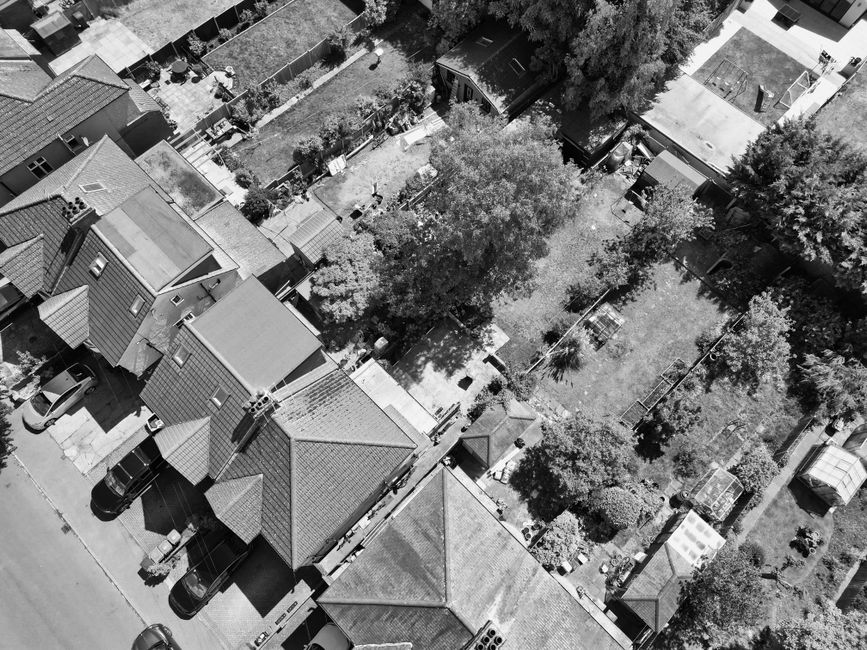
If you live on Bounds Green Road and your garden feels more like a narrow outdoor pocket than a full-sized plot, you are not alone. Small yards can be brilliant, but they also need a different kind of care: tighter planning, lighter planting, and a bit of restraint in all the right places. The best Bounds Green gardeners for small yards on Bounds Green Road know how to make a compact space feel calmer, greener, and far more usable without overwhelming it.
Truth be told, a tiny yard can become annoying fast. One weekend it looks neat enough; two weeks later, the bins, the edges, the weeds, and that awkward shady corner all seem to be competing for attention. This guide breaks down how local gardeners approach small outdoor spaces, what makes the biggest difference, and how to choose services that actually fit the way you live.
You'll find practical advice, a clear step-by-step approach, and a few honest warnings about the most common mistakes. If you want a garden that feels easier to live with, not harder, you're in the right place.
- Why small-yard gardening matters on Bounds Green Road
- How the service works
- Main benefits and practical advantages
- Who it is for
- Step-by-step guidance
- Expert tips for better results
- Common mistakes to avoid
- Tools, resources and recommendations
- Law, compliance and best practice
- Options and comparison
- Real-world example
- Practical checklist
- Conclusion
- Frequently asked questions
Why Bounds Green gardeners for small yards on Bounds Green Road Matters
Small yards are deceptively tricky. The size may be modest, but every decision shows. A single overgrown shrub can eat half the light. One awkward corner can make the whole space feel cramped. And if a garden is visible from the street, which is often the case on residential roads like Bounds Green Road, the first impression matters more than people think.
This is where experienced local gardeners earn their keep. They understand that a small garden is not just a smaller version of a large one. It needs a different design rhythm. Paths need to be proportioned correctly. Plant choices need to do more with less. Maintenance has to stay realistic, or the space quickly slips back into clutter.
For many homes, the goal is not a show garden. It is a tidy, pleasant, usable yard that feels easy to step into on a weekday evening without thinking, "Oh no, I really must deal with that later." That little emotional shift is what good gardening services often deliver. It sounds simple. It isn't always simple.
In a compact yard, a professional eye can also prevent expensive trial and error. A poor layout choice in a large garden can be annoying; in a small one, it can be the whole problem. That is why practical planning matters so much here.
How Bounds Green gardeners for small yards on Bounds Green Road Works
The process usually starts with a clear look at the space as it actually is, not as you hope it might be on a sunny bank holiday. Good gardeners assess light, access, drainage, the shape of the yard, existing planting, and how you use the area day to day. A tiny yard used for bike storage, pets, bins, and a chair or two needs a very different approach from a tidy ornamental courtyard.
From there, the work normally falls into a few stages:
- Assessment - spotting what's cluttering the space, what should stay, and what should go.
- Reset - clearing weeds, cutting back growth, tidying edges, and dealing with tired or damaged features.
- Structure - defining the usable areas with borders, paving, edging, planting blocks, or screening.
- Planting and finishing - adding compact, suitable plants and finishing touches that suit the scale of the yard.
- Maintenance planning - setting a realistic schedule so the garden stays manageable.
In some cases, the work is simple maintenance. In others, it blends into broader gardening services or more considered landscape gardening. The right level depends on how the space is used and what shape it is in now.
A key point: small-yard gardening is often about subtraction before addition. Remove what is making the space feel tight, then build back only the parts that improve flow. That tends to produce better results than trying to cram more in. Let's face it, nobody wants a courtyard that feels like a storage cupboard with plants.
Key Benefits and Practical Advantages
The benefits of using Bounds Green gardeners for a small yard are practical first, aesthetic second, though the two quickly overlap.
- More usable space - even a tiny yard can become a place to sit, store essentials neatly, or enjoy a bit of morning air.
- Cleaner sightlines - thoughtful trimming and layout can make the yard feel twice as open.
- Lower maintenance pressure - the right planting and structure reduce weekend upkeep.
- Better light and airflow - especially important in narrow or enclosed outdoor spaces.
- Improved kerb appeal - even modest gardens can lift the feel of the property.
- Less waste and rework - proper planning avoids buying plants or materials that don't suit the space.
There is also a mental benefit that people often underplay. A small garden that is easy to manage gives you a little more breathing room in daily life. You see it from the kitchen window, you step out into it, and it does not ask for a full Saturday to stay decent. That's no small thing.
Where necessary, services can be paired with lawn care, lawn mowing, or hedge trimming to keep the whole space tidy rather than fixing one visible issue while leaving the rest to drift.
Who This Is For and When It Makes Sense
This kind of gardening support suits a surprisingly wide range of people. It is not just for homeowners with ornamental tastes or big plans. In fact, small-yard work is often most valuable when the space is everyday practical.
- People with narrow back gardens or courtyard-style yards.
- Busy households that need the space to stay neat with minimal effort.
- Landlords preparing a compact outdoor area for new tenants.
- Older residents who want easier access and less physical upkeep.
- New buyers trying to make sense of a tired or awkward plot.
- Anyone whose garden feels cluttered, shaded, or visually broken up.
It also makes sense if you have started avoiding the yard because it feels like too much to face. That happens more often than people admit. The weeds grow, the edges blur, the bins take over a corner, and suddenly the whole thing gets mentally expensive. A professional reset can be a very sensible starting point.
If the garden has heavy overgrowth or accumulated waste, a garden clearance may be the smartest first move before any more detailed improvements happen.
Step-by-Step Guidance
Here is a practical way to think about improving a small yard on Bounds Green Road, whether you are hiring help or planning the work yourself.
1. Walk the space slowly
Look at where you naturally step, where water sits after rain, where the light lands, and what feels awkward. You'd be surprised how often a two-minute walk reveals the real problem. That one damp patch in the corner? It might be why the whole yard feels messy.
2. Decide the space's main job
Is it for sitting, planting, storage, pets, or simply looking tidy from indoors? Small gardens work best when they have one clear purpose and one supporting purpose. Trying to make a tiny yard do everything usually creates friction.
3. Remove what is crowding the layout
Cut back overgrown shrubs, lift clutter, deal with weeds, and clear broken items. A reset gives you visual room to think. If trees are part of the problem, careful tree surgery or, where necessary, tree lopping and removal may be worth discussing with a qualified professional.
4. Improve the structure
Use borders, edging, paving, or discreet screening to create order. In a small yard, structure is everything. Without it, everything blends together and the space feels smaller than it is.
5. Choose planting that can cope
Go for plants that suit the light, the soil, and the amount of care you can realistically give. Small gardens benefit from restrained planting groups rather than lots of random individual pots.
6. Set a maintenance rhythm
It is much easier to keep a small yard looking good than to rescue one every few months. A light, regular service often beats a dramatic annual tidy-up. Not glamorous, but it works.
Expert Tips for Better Results
When the space is small, the details matter. Here are a few tips that tend to improve results fast.
- Use repetition instead of variety overload. Two or three plant types repeated well usually look calmer than a dozen different species fighting for attention.
- Keep sightlines open. Low planting in front, taller planting at the edges, and clear central space can help a yard feel wider.
- Choose materials with light in mind. Pale paving, clean edging, and tidy surfaces can brighten shady gardens.
- Do not forget access. If you need to move bins, bikes, or tools through the yard, plan for that from the start.
- Trim before you redesign. Overgrowth often hides the real proportions of the space.
- Think maintenance, not just appearance. The most attractive design is the one you can keep up. That's the honest truth.
Professional teams often combine practical tidying with services such as patio cleaning or lawn mowing so the small yard looks coherent instead of half-finished. In a compact space, one dirty surface can drag the whole thing down.
A subtle but useful trick: leave one empty or lightly planted area. Not every corner needs to be filled. Breathing space can be the most luxurious feature in a small yard, oddly enough.
Common Mistakes to Avoid
Small yards expose poor choices quickly, which is annoying but also useful. If something is off, you will know fast.
- Overplanting. Too many plants make the yard look crowded and hard to manage.
- Using oversized furniture or features. A chunky bench or large planter can dominate the whole space.
- Ignoring drainage. A yard that puddles after rain becomes slippery, muddy, and unpleasant.
- Letting edges disappear. Unclear borders make even neat gardens feel untidy.
- Choosing high-maintenance plants you do not have time for. Beautiful for a week, needy forever. We have all seen that story.
- Starting with decoration before structure. Add cushions later. Fix the layout first.
Another common mistake is treating the yard like an afterthought. Once the space is cluttered and underused for a while, people stop seeing its potential. A good gardener sees that potential straight away, but it still has to be worked for.
If you want an especially tidy finish, regular garden maintenance is often more effective than occasional big interventions. Little and often wins more than people expect.
Tools, Resources and Recommendations
You do not need an enormous toolkit for a small yard, but you do need the right basics. Whether you are maintaining the space yourself or booking help, these are the most useful things to keep in mind.
| Need | Best option for a small yard | Why it helps |
|---|---|---|
| Routine tidying | Regular light maintenance | Keeps the garden from building up mess and saves bigger jobs later |
| Overgrowth control | Selective pruning and hedge cutting | Protects light and makes the garden feel larger |
| Surface refresh | Patio or paving cleaning | Instantly improves the look of a compact space |
| Planting structure | Compact, repeated planting schemes | Creates calm and avoids visual clutter |
| Access and privacy | Simple fencing or screening | Helps define the space without making it feel boxed in |
For fencing questions, discreet screening, or boundary improvements, fencing may be relevant if the yard needs better privacy or a cleaner edge. And if the hard landscaping side of the space needs more than a tidy-up, the right landscaping approach can change the whole feel of the area.
It also helps to ask how waste and cuttings will be dealt with. Responsible disposal and recycling practices are part of good service, not an extra flourish. If that's important to you, the site's recycling and sustainability page gives a useful sense of approach.
Law, Compliance, Standards, or Best Practice
For most small-yard gardening work, the main concern is not heavy regulation; it is safe, sensible, and considerate practice. Even so, good providers should still operate with care.
That usually means the following:
- Using appropriate equipment for the task.
- Working safely around steps, paving, walls, fences, and shared access areas.
- Handling tools and cuttings so they do not create hazards.
- Respecting neighbouring properties and keeping noise, debris, and access disruption reasonable.
- Being clear about what is included before work starts.
If a gardener is cutting back trees, removing substantial branches, or dealing with anything near boundaries or overhead hazards, the work should be treated with proper caution. In those cases, specialist knowledge matters more than speed. You do not want somebody guessing near a fence line in a tight yard. That is asking for trouble.
It is also sensible to check what the provider says about safety and cover. The pages on insurance and safety and the health and safety policy are the sort of details careful customers often review before booking. They are not exciting reading, granted, but they matter.
For service terms, payment expectations, and what to do if something is not right, the relevant pages include pricing and quotes, payment and security, and terms and conditions. If you ever need to raise an issue, the complaints procedure is worth knowing about in advance, just in case.
Options, Methods, or Comparison Table
Not every small yard needs the same treatment. Some spaces just need a tidy-up. Others need a full rethink. Here's a straightforward comparison to help you judge the right level of input.
| Approach | Best for | Typical outcome | Watch out for |
|---|---|---|---|
| Routine maintenance | Mostly tidy yards that need regular care | Clean, manageable, consistent appearance | Can fall behind if skipped for too long |
| Clearance plus reset | Overgrown or neglected spaces | Fast visual improvement and a clean starting point | May need follow-up maintenance to stay effective |
| Light redesign | Yards that function poorly but are otherwise sound | Better flow, better use of space, less clutter | Needs careful planning to avoid crowding |
| Full landscaping | Spaces needing structural change or hard surface work | More dramatic transformation and stronger layout | Requires more budget, time, and decision-making |
For many Bounds Green homes, the sweet spot sits somewhere between a clearance reset and a light redesign. Full landscaping can be great, but it is not always necessary. A smaller, smarter intervention can be the better call. No need to make a mountain out of a courtyard.
Case Study or Real-World Example
Imagine a narrow yard off Bounds Green Road with patchy paving, a few tired shrubs, a low hedge along one side, and storage items that seem to multiply when nobody is looking. The space is not unusable, but it feels busy and smaller than it should.
A sensible plan would start with a clear-out. Remove dead growth, cut back the hedge, tidy the paving, and decide whether any plants are actually helping the space. Then the layout could be simplified: keep one planting strip, open a central walking line, and reduce the number of pots so the yard reads as one calm space rather than a collection of leftovers.
Next, a gardener might improve the edges, clean the surface, and replant with a small, repeated set of compact species that suit the shade. If privacy is poor or the boundary feels exposed, a modest screening adjustment or fencing repair may help the space feel more settled.
The change is not always dramatic in a flashy sense. But it is noticeable. The yard becomes easier to cross, easier to look at, and easier to keep in shape. That is the sort of result people tend to appreciate most, especially when they are living with the space every day.
Practical Checklist
Use this checklist before booking work or starting your own small-yard project.
- Decide what the yard needs to do most often.
- Note any drainage issues, trip hazards, or awkward access points.
- Identify plants, trees, or hedges that are making the space feel cramped.
- Separate what should be kept from what can go.
- Choose a realistic maintenance level, not an ideal one.
- Check whether the surface needs cleaning or repairs.
- Think about privacy and boundary treatment if the yard feels exposed.
- Ask how waste and cuttings will be handled.
- Confirm what's included in the quote and what is not.
- Plan a follow-up schedule so the garden stays manageable.
Expert summary: in a small yard, the best results usually come from removing pressure, not adding more of it. Reduce clutter, open the layout, and keep maintenance honest. That simple approach wins more often than dramatic ideas that are lovely for about three days.
Get a free quote today and see how much you can save.
Conclusion
Small yards on Bounds Green Road can be incredibly rewarding when they are treated with care and a bit of discipline. The right gardening approach makes the space feel larger, lighter, and far less demanding. More importantly, it makes the garden useful again. That is really the point.
Whether you need a tidy-up, a seasonal reset, or a more thoughtful redesign, the strongest results come from practical decisions: keep the layout simple, choose plants that can cope, and stay realistic about maintenance. A well-managed compact garden does not shout. It just works, quietly and beautifully, day after day.
If you are ready to improve a small outdoor space without overcomplicating it, a good local team can make the process straightforward and oddly satisfying. And honestly, there is something very nice about looking out at a yard and feeling, at last, that it all makes sense.
Frequently Asked Questions
What do Bounds Green gardeners for small yards on Bounds Green Road usually do first?
They usually start with an assessment of the layout, light, access, and problem areas. In a small yard, that first look matters a lot because the space can feel different once clutter and overgrowth are removed.
How do I make a tiny yard feel bigger?
Open the centre of the space, keep planting simple, use clean edges, and avoid too many features. Light, repetition, and clear sightlines tend to make the biggest difference.
Is garden clearance worth it for a small yard?
Yes, especially if the space has become cluttered or neglected. A proper clearance can give you a clean starting point and show what the yard can really do.
What is the difference between garden maintenance and landscaping?
Garden maintenance keeps the space neat and healthy through regular care, while landscaping usually involves more structural changes, layout work, or surface improvements.
Can a small yard still have planting and seating areas?
Absolutely. The trick is proportion. A compact bench, a narrow planting strip, or a few well-chosen pots can work nicely if the layout stays balanced.
How often should a small garden be maintained?
It depends on the planting and how quickly the space grows, but regular light maintenance is usually better than waiting for the yard to get messy. Little and often really does help.
Do I need specialist help for hedges or trees in a small yard?
If hedges are blocking light or trees are creating risk in a tight space, specialist help may be sensible. Services such as hedge trimming, tree surgery, or tree lopping and removal can be relevant depending on the situation.
What should I ask before booking a gardener?
Ask what is included, how waste is handled, whether the work is maintenance or redesign, and how pricing is structured. It also helps to check insurance and safety details.
Can patio cleaning make much difference in a small yard?
Yes, very much so. In a compact garden, a dirty or stained surface stands out immediately. Cleaning the patio can make the whole space feel brighter and more cared for.
What if my yard is too shaded for much planting?
Then the planting plan should be adjusted rather than forced. Shade-tolerant plants, simpler layouts, and better surface treatment often work better than trying to make the space behave like a sunny border.
How do I know if I need landscaping rather than just maintenance?
If the space has poor flow, broken surfaces, awkward levels, or a layout that simply does not work, landscaping may be the better option. If it mainly looks untidy, maintenance may be enough.
What is the best first step if my small yard feels overwhelming?
Start by clearing visual clutter and identifying the one thing the yard needs most. Once you can see the actual structure of the space again, decisions become easier and far less stressful.