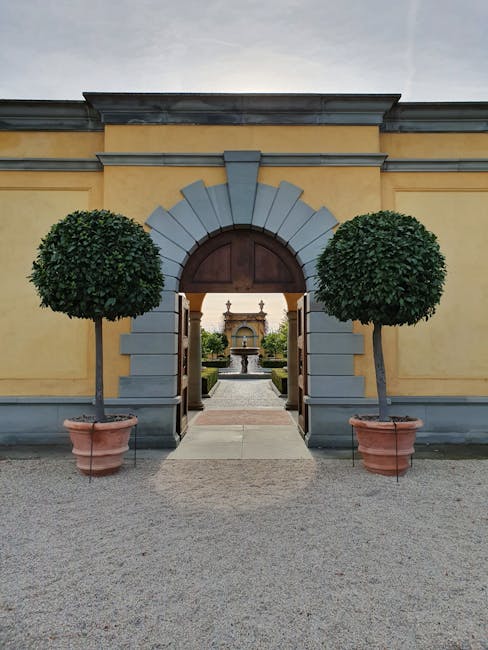
Alexandra Palace Garden Design Ideas from Bounds Green Gardeners
If you're looking at your outdoor space and thinking it needs more shape, more calm, or simply less "we'll deal with that later," you're in the right place. These Alexandra Palace garden design ideas from Bounds Green gardeners are about making a garden feel intentional without turning it into a high-maintenance project. Around Alexandra Palace, gardens often have to cope with wind, shade, awkward boundaries, and the usual London mix of compact plots and busy lives. That makes good design less about fancy features and more about smart decisions that hold up in real weather, on real weekends, with real budgets.
This guide pulls together practical, local-minded ideas for front gardens, family spaces, private courtyards, and larger back gardens alike. You'll find layout advice, planting suggestions, privacy solutions, and maintenance tips that actually make sense if you want the garden to look good in April and still look decent by October. Not glamorous fluff. Useful stuff.
Contents
- Why Alexandra Palace garden design ideas from Bounds Green gardeners matters
- How Alexandra Palace garden design ideas from Bounds Green gardeners works
- Key benefits and practical advantages
- Who this is for and when it makes sense
- Step-by-step guidance
- Expert tips for better results
- Common mistakes to avoid
- Tools, resources and recommendations
- Law, compliance, standards, or best practice
- Options, methods, or comparison table
- Case study or real-world example
- Practical checklist
- Conclusion
- Frequently asked questions
Why Alexandra Palace garden design ideas from Bounds Green gardeners Matters
A garden near Alexandra Palace is not the same as a tidy show garden in a brochure. The local conditions matter: exposure to wind on higher ground, overlooked boundaries, varying shade from mature trees and nearby buildings, and the fact that many homes have narrow side returns or modest rear gardens. Good design respects all of that instead of fighting it.
Bounds Green gardeners tend to think in layers. First, how the garden will be used. Second, how it will look from the kitchen window. Third, how much work you realistically want to do each month. That order matters. A space can look beautiful on day one and still be a nuisance if it has poor drainage, a patchy lawn, or planting that becomes a weekly headache. Truth be told, plenty of gardens fail because they are designed for a lifestyle the owner does not actually have.
There's also a local value angle. A well-planned garden can make a compact property feel calmer, more spacious, and more private. That may come from evergreen structure, from careful hedge lines, or from using levels and paving to guide the eye. If privacy is a concern, a useful starting point is the guidance in choosing evergreen trees and bushes for constant privacy and fast-growing hedges for private spaces.
How Alexandra Palace garden design ideas from Bounds Green gardeners Works
At its best, garden design is a sequence of decisions rather than one big makeover. A good designer or gardener usually begins with the site itself: sun, shade, aspect, drainage, boundary lines, access, and existing plants worth keeping. Then comes the function: entertaining, family use, pet access, low-maintenance planting, vegetable beds, or simply somewhere to sit with a cup of tea and breathe for five minutes.
From there, the work becomes practical. Paths need to connect the right places. Sitting areas need enough clearance. Planting needs to suit the soil and the level of attention it will get. In a windy spot, this might mean placing stronger shrubs and structural planting where they can shield more delicate areas. In a shady plot, it could mean choosing texture and leaf shape rather than chasing constant flower colour. Small decisions, but they add up fast.
In our experience, the best gardens in this part of London rarely rely on one dramatic feature. They work because the layout is coherent. You might see a small patio, a clipped hedge, a gravel or paved transition strip, and layered planting that gives the space rhythm. If the surface is tired or algae-stained, a practical refresh helps too, which is why some homeowners pair redesign work with patio cleaning before any new planting goes in.
Design also works differently depending on whether you want softness or structure. A soft garden leans on ground covers, herbaceous planting, and flowing edges. A structured garden uses hedges, evergreen shrubs, repeats of shape, and perhaps a simple deck or terrace. Neither is "better." It depends on what the space needs and how much time you want to spend keeping it in check.
Key Benefits and Practical Advantages
When a garden is designed well, the change is not just visual. You feel it in day-to-day use. That sounds a bit grand, but it is true. A better layout means easier movement, fewer muddy shortcuts, and more reasons to use the space through the year.
- Better privacy: Screens, hedges, and planting layers help a garden feel less exposed without making it heavy or boxed in.
- Lower maintenance: Choosing the right materials and plant palette means less pruning, less weeding, and fewer awkward repairs.
- Stronger year-round structure: Evergreen planting, good edging, and durable surfaces keep the garden looking "finished" even in winter.
- Improved usability: Clear zones for dining, relaxing, children, or pets make the garden more practical.
- Better weather resilience: London weather can be a bit all over the place, so stable planting and sensible drainage are worth their weight in gold.
There's a quieter benefit too: a designed garden gives the mind somewhere to settle. A small seating pocket, a neat border, or even a strip of low planting can reduce visual clutter. If you've ever stepped outside and immediately felt overwhelmed by weeds, overgrown shrubs, and a wonky fence line, you'll know the difference a coherent plan makes.
Who This Is For and When It Makes Sense
This approach suits a wide mix of homeowners and property types. If your garden is cramped, sloped, overlooked, patchy, or simply underused, it makes sense to start with design rather than random fixes. Design first, spending later. That saves headaches.
It's especially useful for:
- Homeowners who want a garden that feels more private and polished
- Families needing safe play space without losing all planting interest
- People who like the garden but do not want heavy upkeep every week
- Landlords or sellers aiming to improve kerb appeal and presentation
- Residents with exposed plots that need wind-tolerant structure
If the space has been neglected for a while, the starting point may not be design at all, but recovery. A cleanup, a cut-back, and some honest assessment of what's salvageable. For that stage, it can help to read this guide to a fresh start for a neglected garden before you decide what should stay and what should go.
And if you're genuinely not sure whether the garden needs a full redesign or just better maintenance, that's normal. A surprising number of spaces just need a sharper structure, not a complete rebuild.
Step-by-Step Guidance
Here's a straightforward way to approach an Alexandra Palace garden design project without overcomplicating it.
- Map how the garden is used now. Notice where you naturally walk, where the sun lands, where water collects, and where you already like to sit.
- Decide the top priority. Privacy? Entertaining? Low maintenance? Child-friendly? Wind protection? Pick the main job first.
- Keep or remove with intention. Some mature plants are assets. Some are just taking up space. Be selective, not sentimental about every single thing.
- Set the bones of the space. Define boundaries, paths, patio edges, and major planting blocks before focusing on details.
- Choose a planting style. Go for formal, relaxed, wildlife-friendly, evergreen-led, or mixed. Try not to mash all five together.
- Add one or two focal points. A bench, water bowl, pergola, or specimen tree can give the garden a sense of purpose.
- Finish with maintenance logic. If you hate hedge trimming, don't create a hedge-heavy design you'll resent later.
A sensible trick is to build from the edges inward. Boundaries first, then mid-height planting, then low planting and seasonal detail. It prevents that awkward "nice plants, no frame" look that so many half-finished gardens end up with. And let's face it, a garden without a frame often feels like a room with no walls.
If privacy and screening are central to the plan, the combination of hedge structure and complementary planting is often more effective than a single solution. For related ideas, the article on container gardening can be useful when you need flexibility on patios or smaller hard landscaped areas.
Expert Tips for Better Results
These are the kind of practical details that separate an okay garden from one that genuinely works.
- Use repetition. Repeating a plant, colour, or material makes even a small garden feel calmer.
- Match the maintenance level to your real life. If you only have one spare hour a week, keep the design simple. No shame in that.
- Think about winter, not just summer. Evergreen structure, bark texture, and evergreen foliage stop the space disappearing into bare mud and fences.
- Layer heights. Low ground covers, mid-layer shrubs, and a few taller features create depth without clutter.
- Respect drainage. If a section gets soggy after rain, fix that early. Planting over a bad surface is rarely a long-term solution.
- Use strong edges. Good edging keeps beds crisp and reduces the "planting drifting everywhere" problem.
For tougher conditions, wind matters more than many people expect. Alexandra Palace can feel exposed, so it's worth looking at gardens that withstand strong gales and choosing plants, fences, and layouts that don't turn into sails in autumn. Not every pretty thing is a practical thing. Bit annoying, but there it is.
If weeds are becoming a recurring nuisance, the right ground layer can help. Useful ideas are covered in 3 practical ways to minimise weeds and UK-friendly ground covers. Ground cover is one of those quiet heroes of good design. It doesn't shout, but it works hard.
Common Mistakes to Avoid
Some garden problems come from poor luck. Most come from a plan that ignored the basics.
- Choosing plants only for looks. A plant that looks lovely in a pot shop may sulk in shade, wind, or poor soil.
- Overcomplicating the layout. Too many materials and too many zones can make a small garden feel fragmented.
- Ignoring mature size. Shrubs that look neat at planting can become bulky fast. That's how privacy plans turn into pruning battles.
- Leaving maintenance to chance. If the design depends on regular trimming, build that into the calendar from day one.
- Forgetting access. If you can't reach beds properly, maintenance becomes a chore and the garden slowly slips again.
- Using too much bare hard surface. A patio needs balance. Otherwise the garden can feel hot, hard, and oddly unfinished.
A subtle but common issue is scale. People often underplant or overplant. Underplanting leaves spaces looking sparse and temporary. Overplanting makes them crowded, damp, and busy. Finding the middle ground is the trick, and it usually takes a gardener with a good eye and a practical streak.
If the idea of starting from scratch feels a bit much, consider a phased approach. One corner at a time. That's often the smarter route anyway.
Tools, Resources and Recommendations
You do not need a van full of specialist kit to improve a garden, but having the right tools matters. For most Alexandra Palace and Bounds Green garden projects, the essentials are pretty standard:
- Sharp secateurs and loppers for pruning
- A good spade and border fork for soil work
- Strong gloves and a wheelbarrow
- Basic measuring tools for path widths, bed depths, and seating zones
- Quality compost and mulch suited to the planting style
For design thinking, it helps to sketch the garden before you spend. Even a rough plan on paper can reveal problems before they become expensive. Many people also find it useful to group the project around services rather than tasks, especially if they're comparing options for wider improvements such as landscaping, decking services, or fencing.
If the garden is more about routine upkeep than a major redesign, the support pages on garden maintenance and lawn care can help you think about what kind of ongoing work the space will need once the new layout is in place.
One small but useful recommendation: keep a short list of "must keep", "can improve", and "remove" items while planning. It sounds basic, but it stops the project becoming a vague wish list. A bit dull? Yes. Very effective? Also yes.
Law, Compliance, Standards, or Best Practice
Garden design itself is usually a matter of personal choice, but there are practical standards and responsibilities to keep in mind. If trees, tall hedges, boundary structures, or significant excavations are involved, caution is sensible. Overhanging branches, neighbour boundaries, and access to light can all become sensitive areas, especially in tighter London plots.
Best practice usually means checking whether a tree needs professional attention before major pruning, making sure hard landscaping is safe and level, and avoiding drainage changes that might send water into a neighbour's property. In shared or adjoining spaces, a calm conversation often prevents awkwardness later. Not always glamorous, but it works.
Health and safety also matters during the work itself. If you're using machinery, handling heavy materials, or working at height, proper precautions are essential. A sensible place to start is the site's health and safety guidance, along with its insurance and safety information. For service expectations and customer process, the terms and conditions, payment and security, pricing and quotes, and complaints procedure pages are useful references too.
If you are sharing access with neighbours, managing waste responsibly, or altering a garden that has been neglected for years, a careful and documented approach is simply good practice. It reduces misunderstandings and keeps the job tidy from start to finish.
Options, Methods, or Comparison Table
Different gardens need different methods. Here's a simple comparison to help you decide which direction fits best.
| Method | Best for | Strengths | Trade-offs |
|---|---|---|---|
| Evergreen-led planting | Privacy, structure, year-round interest | Looks good in winter, softens boundaries, reliable backdrop | Needs correct spacing and occasional maintenance |
| Low-maintenance mixed borders | Busy homeowners, flexible style | Balances texture, colour, and ease of care | Can look messy if not planned with repetition |
| Patio plus container scheme | Smaller spaces, rental-style flexibility | Easy to refresh and reconfigure | Containers need watering and feeding |
| Hard landscaping focus | Modern gardens, entertaining, durability | Clear structure, low mess, strong visual order | Can feel stark without planting balance |
| Naturalistic planting | Relaxed feel, wildlife interest, softer edges | Brings movement and seasonal change | Needs more patience and can look untidy if neglected |
There is no single correct answer. In many London gardens, the best results come from mixing methods lightly rather than committing to one style too hard. A structured edge with soft planting inside is often a good compromise.
Case Study or Real-World Example
Imagine a typical rear garden near Alexandra Palace: narrow, slightly shaded at one end, overlooked at the back, and underused because the seating area feels too exposed. The lawn is tired, the borders are thin, and the old fence does little except lean with conviction.
A practical redesign might begin with a simple decision: create a main sitting area near the house, then use layered planting to soften the view and improve privacy. The back boundary could be strengthened with evergreen shrubs and a neat hedge line. In the middle section, a ground cover or low perennial layer would reduce weeding and keep the space feeling planted rather than empty. At the far end, a small focal point - maybe a bench, a birdbath, or a compact tree - would draw the eye and give the garden a destination.
Nothing dramatic. But the effect is usually strong. The space feels longer, more private, and easier to use. The owners stop avoiding the garden and start using it for breakfast, late evening tea, or just a quick reset after work. That's often the real win, not the before-and-after photo.
In a case like this, a stronger boundary solution may be paired with targeted support such as hedge trimming in Bounds Green, especially if the garden already has mature hedging that just needs shaping and control rather than removal.
It's a simple formula really: fix the function, then refine the feel. The garden usually follows.
Practical Checklist
Use this checklist before starting your Alexandra Palace garden project.
- Have I identified the garden's main purpose?
- Do I know where the sun, shade, and wind hit during the day?
- Have I decided what should stay, be improved, or be removed?
- Is privacy part of the plan, and if so, what kind?
- Have I allowed enough room for walking, seating, and maintenance access?
- Do the chosen plants suit the soil and exposure?
- Is the garden designed to look good in winter as well as summer?
- Have I thought about drainage and surface condition?
- Will the maintenance level suit my routine?
- Do I need help with pruning, landscaping, or longer-term care?
If you can answer most of those clearly, you're already ahead of the game. If not, no drama - that just means the design needs a bit more thinking before the digging starts.
Get a free quote today and see how much you can save.
Conclusion
Good garden design near Alexandra Palace is not about chasing trends or packing in as many features as possible. It's about making a space that feels settled, private, and easy to use. Bounds Green gardeners tend to approach the job with a practical eye: work with the site, keep the structure clear, and choose planting that looks good beyond one season.
If you take anything from this guide, let it be this: start with the garden's real conditions, then build around how you live. That's what turns a patch of outdoor space into somewhere you actually want to spend time. And once that happens, the whole home feels different. A little calmer. A little more yours.
Small changes can do a lot. Sometimes more than you expect.
Frequently Asked Questions
What are the best Alexandra Palace garden design ideas from Bounds Green gardeners for small spaces?
For smaller gardens, the strongest ideas are usually layered planting, compact seating, vertical interest, and a clear path or border structure. Keep materials simple and avoid overcrowding the space.
How do I make a garden feel more private without making it look closed in?
Use mixed-height planting, evergreen structure, and selective screening rather than solid walls everywhere. Hedges, shrubs, and soft boundary planting usually feel calmer than a fully enclosed layout.
Which plants work well for year-round structure in a London garden?
Evergreen shrubs, clipped hedges, and a few sturdy architectural plants are the usual go-to choices. They keep the garden looking purposeful in winter, which is half the battle in the UK climate.
Is a low-maintenance garden design still attractive?
Absolutely. In fact, some of the best gardens are low-maintenance because they are designed with repetition, simple materials, and practical planting choices. Less fuss often means a cleaner finish.
Should I redesign the whole garden at once or do it in stages?
Stages are often smarter, especially if the garden is large, neglected, or budget-sensitive. Many homeowners start with the boundaries and main seating area, then move into planting later.
What should I do first if my garden is neglected?
Start with clearing, pruning, and deciding what is actually worth keeping. A fresh assessment can save time and money, and it helps avoid tearing out plants that still have value.
How important is hedge trimming in a garden redesign?
Very important if the garden relies on hedges for privacy, shape, or boundary definition. A good trim can completely change the feel of the space, and it often reveals the true structure underneath.
Can a garden near Alexandra Palace cope with strong wind?
Yes, if the design accounts for exposure. Wind-tolerant planting, sensible spacing, secure fixing for structures, and sheltered seating zones all help a lot. The key is not fighting the site.
Do I need professional help for patio, decking, or fencing work?
If the work involves levelling, joins, drainage, or anything structural, professional support is usually a good idea. It tends to save time, and it reduces the chance of issues later on.
How can I reduce weeds in a newly designed garden?
Use mulch, ground cover, well-edged beds, and dense but sensible planting. Open soil is an invitation to weeds, so the aim is to keep the ground covered where possible without smothering the plants.
What services are most helpful alongside a redesign?
It depends on the garden, but garden maintenance, landscaping, lawn care, hedge trimming, and sometimes patio cleaning are common companions to a redesign. They help the space stay tidy once the new layout is in place.
How do I know if my garden needs landscaping rather than simple upkeep?
If the layout is awkward, the surfaces are failing, the boundaries are weak, or the garden does not function well, landscaping may be the better route. If it mostly needs tidying and a lighter refresh, maintenance may be enough.
What is the safest way to start planning a garden project?
Measure the space, note sun and shade, decide your main goals, and check any safety or access concerns before any digging begins. If in doubt, speak to a local gardening team and get the options explained in plain English.
Where can I find more about the company behind these garden ideas?
You can learn more on the about us page, and if you're ready to discuss a project, the contact page is the simplest next step.